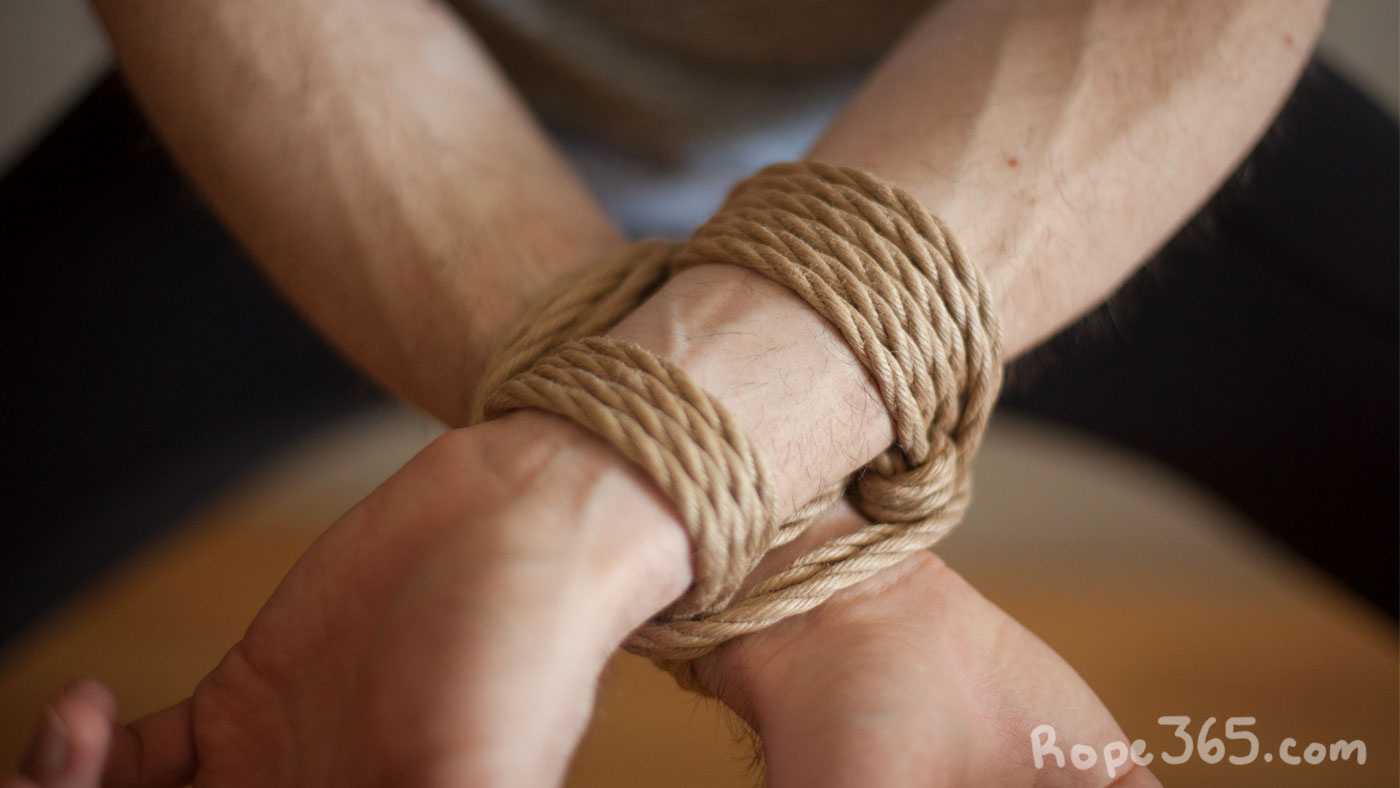
Binding several body parts together is an important part of restriction. Many of the techniques to bind poles together have interesting applications in bondage. These are interesting to explore with tying limbs together or tying someone to a pole.
The goal of this week is to try different techniques to tie columns together and come up with your own ideas on how to use these in your rope play.
Activities
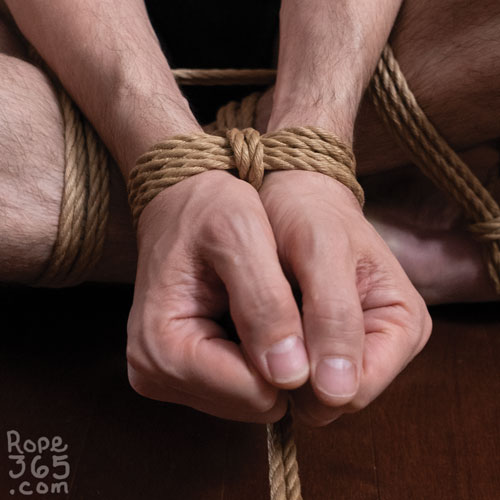
Day 197: Double Column Knots
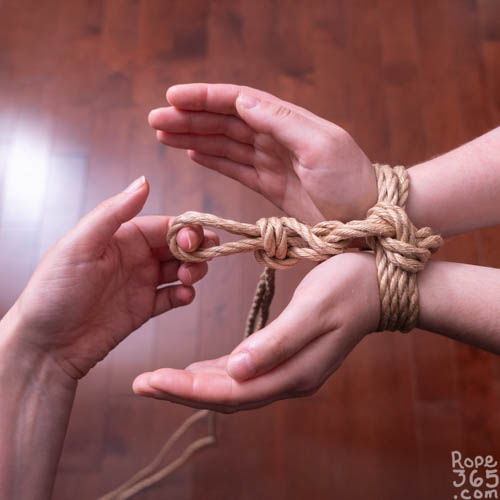
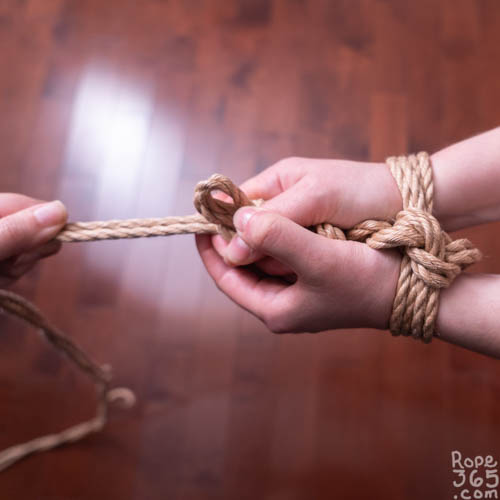
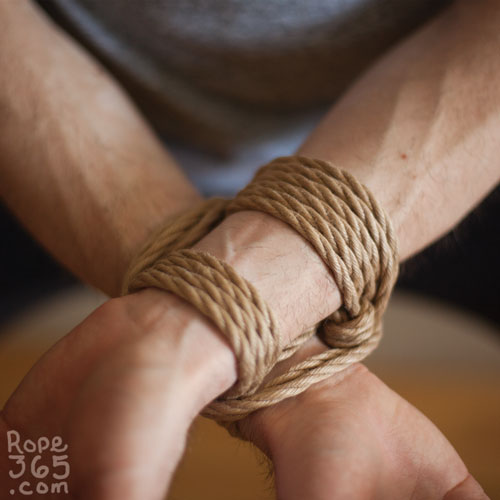
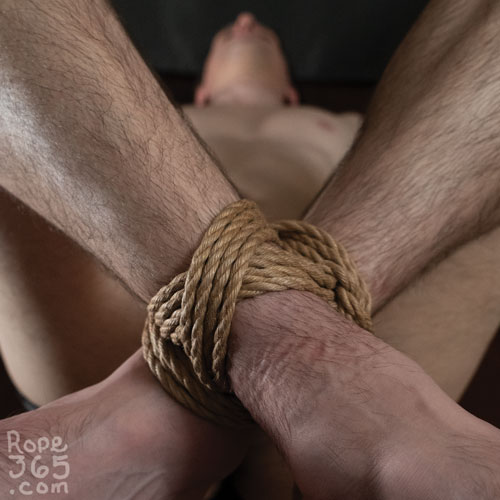
Many different knots can be used to create a two column tie, double column tie. A common strategy is to start from a single column tie, and add a cinch, either during the process of tying the knot, or after.
Depending on which knot you used as a baseline, you will usually keep the properties. A lark’s head will be easier to tie on wider columns. A Somerville bowling will be solid with the option to untie from the starting point. A square knot, fast but requires extra knots to be really solid.
- Somerville Bowline Double Column by Topologist
- Lark’s head double column tie by Topologist
- Double wrists tie by Yukinaga Max Knot up, Knot down
- Double Ankle Tie With Kannuki by Yukinaga Max
- The Double Column Tie by Anatomie Studio
- The Double Column Tie Tutorial by Kinetik Speicher
- Quick and easy double column tie tutorial (inc tying ankle tip) by mrluckiesrope
- Double Column Tie For Wrists by Bondage Tuition
- Reverse tension double column tie by Tracker
- Wrangling the double column tie by Tracker
- Two column tie by TwistedMonk
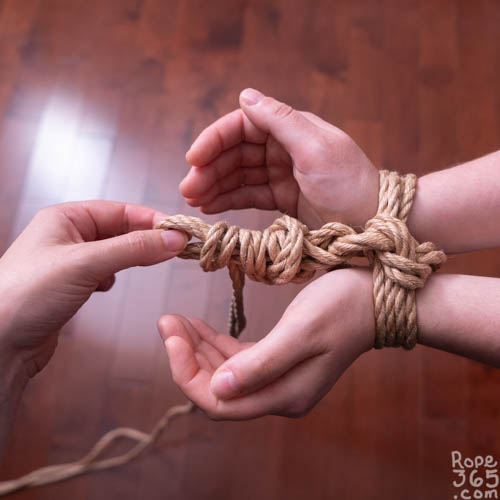
Day 198: Handles
To increase the safety to double column ties on the wrist, it is great to add a handle to it. By grabbing on the connecting rope, the pressure is released from the wrists. This works better if there is a thicker piece of rope to grab onto.
- Coming soon
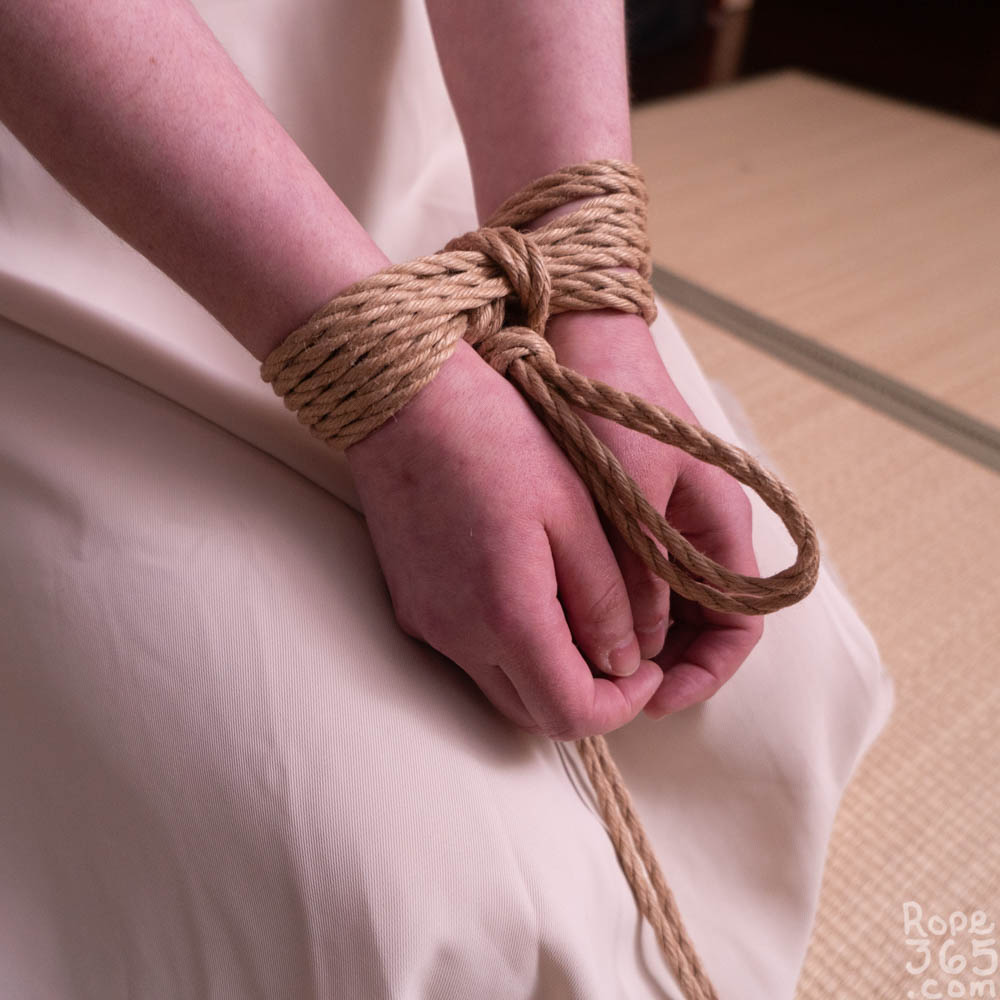
Day 199: Adding a Column
Starting from a single column tie on one column then adding a second column is a great strategy to change position during the tie without having to retie the starting point. The specific variation using a captured bight at the cinch was made popular by Yukimura Haruki and often referred to as Yuki knot.
- Yukimura Tie by Yukinaga Max Wrist Tie Mae-te, Double Ankle Tie
Day 200: Perpendicular
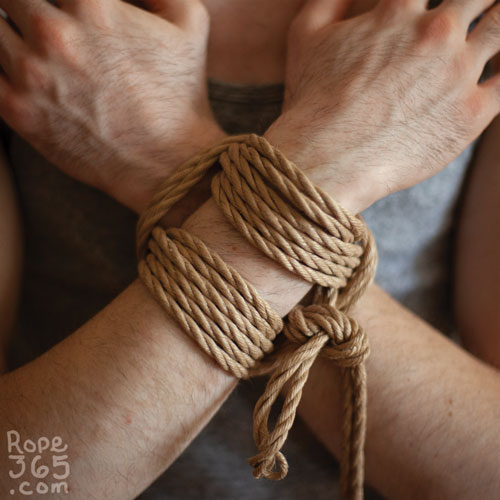
Many different techniques can be used to bind columns at an angle. Different lashings can be used for this, but generally need to be modified to prevent pinching the skin or putting pressure on a sensitive spot. You can try the lashing first with two poles and then adapt it for the body by communicating and adapting based on he feeling.
The square lashing is a great technique to bind two columns at a 90-degree angle. It’s so solid people use it to create scaffolding or even build houses with it. Similarly, the diagonal lashing is better suited when the angle is not exactly 90 degrees, or when some space is necessary between the two columns.
Day 201: Infinity
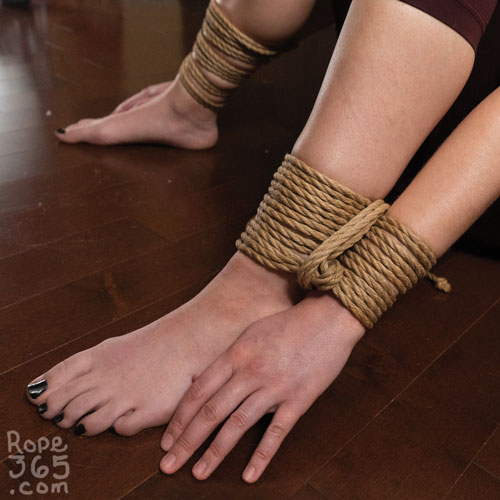
To tie two columns in parallel but retain the ability to change the angle later on, you can use a variation of the shear lashing as it can twist on itself. This is great for dynamic ties where the movement changes the relative position of the columns during the session.
The term infinity comes from the mathematical symbol ♾️and was made popular by Tifereth who created a variation with a captured bight to spread the load evenly.
Day 202: Making Space
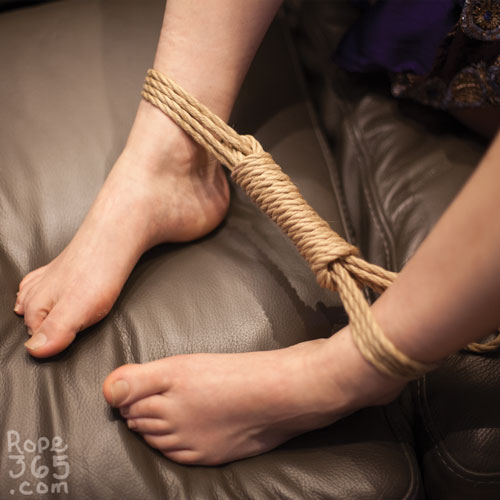
Create a double-column tie with space in between the columns using a bar wrap in between. This is great to use between the wrists or the ankles and then using the bar to trap the limps a distance. For example, bringing the wrists behind the head, chest or knees.
Day 203: Even More Columns
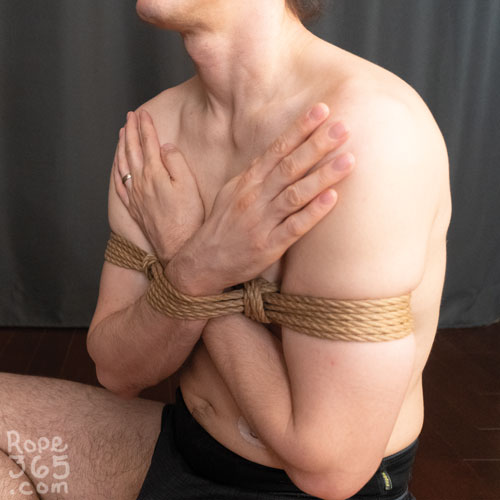
From there, we can explore how to adapt the different techniques to include more columns. Try to adapt the basic column tie, the shear lashing and the square lashing to include many more columns. The infinity tie can be expanded to include more columns such as with tripod lashings. You can also add any number a cinch to wrap around multiple columns. How many columns can you include in a single tie?
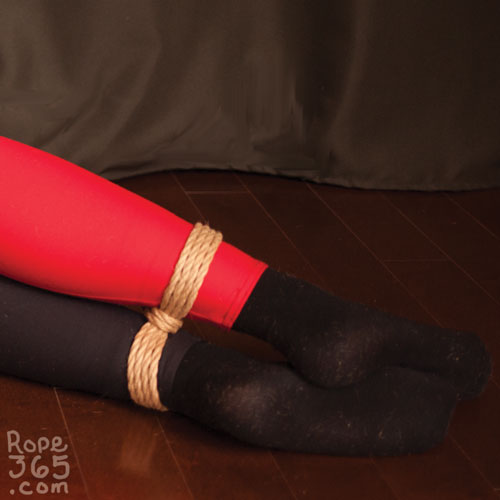
Cinches are an important concept for multi-column ties. Review the content from Spring with the double column and cinched friction for a more in-depth look at several columns tied together
Video References
We compiled a YouTube playlist with various videos on this topic; let us know if you find any others we should add to it. Note that video references may display risky or unstable techniques; viewer discretion is advised.
Gallery
Inspirations and Resources
Or return to Fall for more options.