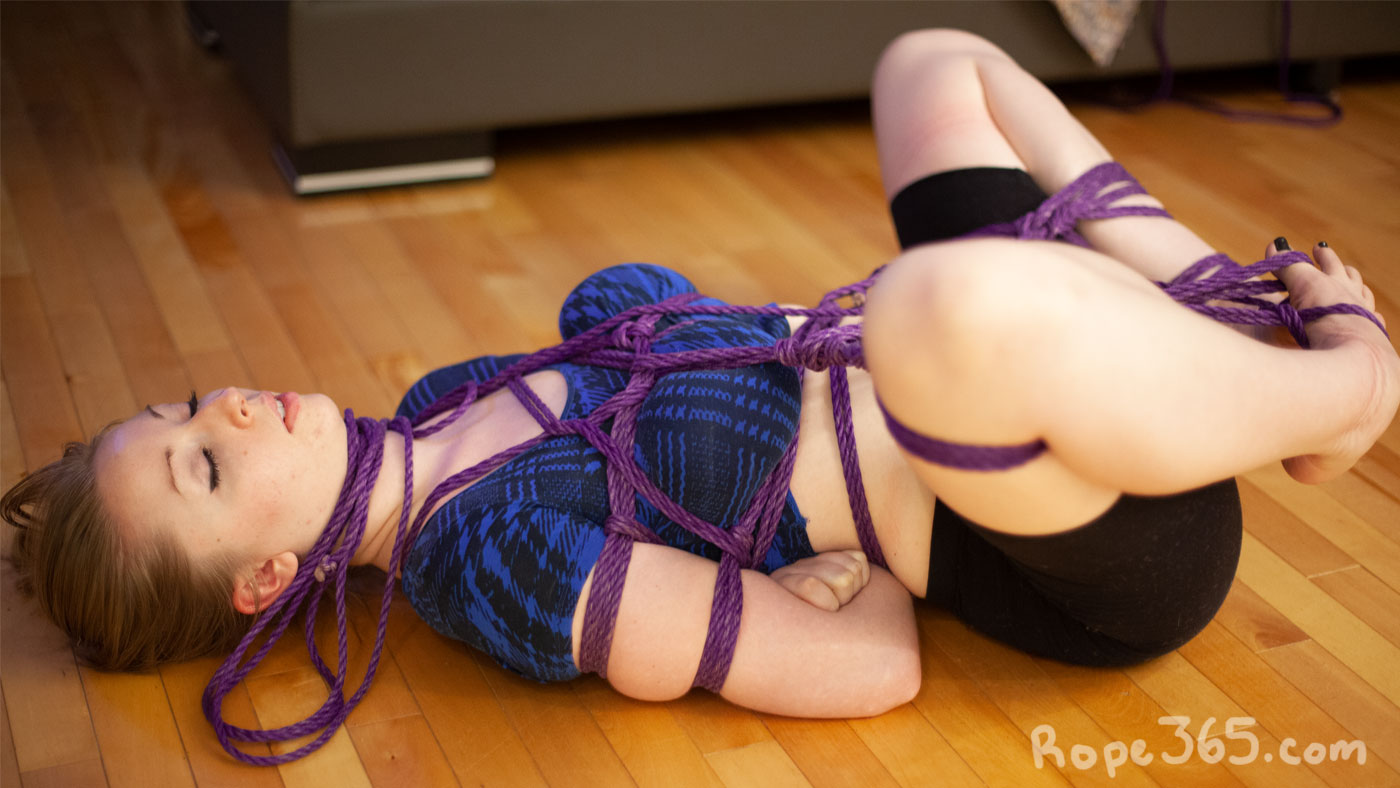
Intense activity triggers the release of a cocktail of hormones in the body, changing our perceptions, and influencing how we think. Some people seek rope specifically to trigger an response and get the sensation and/or the mental states that comes with it. Is is interesting to learn about different hormones, their function and effect, and study other aspect of neuroscience to get a better understanding of our feelings and behaviors.
Happiness Hormones
Adrenaline
A hormone mostly naturally produced by the adrenal glands, it is involved in the fight-or-flight response. Many stimuli can trigger adrenaline secretion, such as physical exercise and emotional response. It affects the body in different ways:
- Increases heart rate
- Increases blood pressure and blood flow
- Pupil dilatation
- Raises blood sugar levels
- Lowers and sometimes blocks pain perception (stress-induced analgesia)
- Can induce retrograde enhancement of long-term memory
- Display of increased physical strength (hysterical strength)
- Possible altered states of consciousness, including trance and alleged possession
- etc.
While some people actively seek out adrenaline rush, others may feel uncomfortable with it. It is important to keep in mind that the physical exertion, emotional vulnerability, and presence of risk may induce adrenaline production that can affect our pain perception and state of consciousness.
Dopamine
Dopamine plays an important role in reward-motivated behaviour. Anticipation of some types of rewards may increase the brain’s dopamine level. Dopamine provides motivational salience, which is the process that motivates an individual to avoid or seek a particular object, event or outcome, and many addictive drugs influence dopamine.
In rope, dopamine will take our successes and transform them into motivation to do the same thing again. It can also work the other way around, and push us to avoid certain paths. It’s not a bad thing to follow our instincts, but we have to challenge ourselves regularly to try different ways of doing things to stay creative, and make sure the reason we do or avoid certain practices is rational.
Endorphins
Endorphins are the body’s painkillers and are generally released during physical exercise, orgasms or even meditation in trained individuals. They relieve stress, reduce pain and muscle cramps. They are known to create a state of euphoria, such as the runner’s high.
The stress relief from endorphin is often actively sought after by rope practitioners. It is important to keep in mind that the reduced feeling of pain may also make it more difficult to monitor injuries during a tie.
Oxytocin
This hormone plays a role in behaviours such as bonding and love, and different actions can increase its levels, such as physical activities, hugs, breastfeeding and sexual arousal. It is known to have both physiological and psychological effects, such as a positive attitude toward bonding, decreased anxiety and stress.
In rope, the mix of physical activities and body contact makes an increase in oxytocin highly probable. This can lead to an increased feeling of bonding and unexpected sexual arousal. This is why mid-session negotiation can be misleading, as these may dissipate once the session is over. Following sexual arousal, oxytocin returns to normal levels within 30 minutes, which can help understand the post-rope return to normal1.
Serotonin
Coming soon
More Neuroscience
By attaching a brain-monitoring device to people tying, Neuromancer documented how applying and receiving rope affected brain waves.
It is also important that high intensity may also bring some form of addiction. It is frequent for new practitioners to get very enthusiastic and lose sight of safety protocols. Take your time,
Different medical conditions may influence how different hormones are secreted and processed by the body. Neurodivergence in particular brings its own set of particularities when it comes to mental states.
This is just a sneak peek into interesting neuroscience elements. New science constantly brings new interesting information. Stay curious and look for more information on the topic.
Practice Time!
It is interesting to look at our own behaviour in different situations to see how we react to the different hormones, and how that impacts our rope play. Some people may thrive under pressure and the mental states this puts them in, while others may despise it. Others enjoy the relaxing feelings that sometimes come after physical pain. Get to know your partner and yourself.
Exploration ideas:
- Outside your rope practice, how do you deal with mental pressure, physical contact, and body exertion?
- Take on your tolerance to pain and mental state over time when in rope
- When focusing on the rope and movement, can you achieve a state of flow where you no longer think about the rest of the world?
Inspirations and Resources
- The Effects of Sexual Arousal on Risk-Taking and Decision Making by Shayna Skakoon-Sparling
- Class notes for the Rope Neuroscience Intensive by Neuromancer28
- Your Brain on BDSM: Why Getting Spanked and Tied Up Makes You Feel High by Gareth May
- Touch and neurodivergence distilledscience
Or return to Anatomy for more options
Credit:
- Murphy MR, Seckl JR, Burton S, Checkley SA, Lightman SL (October 1987). “Changes in oxytocin and vasopressin secretion during sexual activity in men”. The Journal of Clinical Endocrinology and Metabolism. 65 (4): 738–741. doi:10.1210/jcem-65-4-738. PMID 3654918 ↩︎