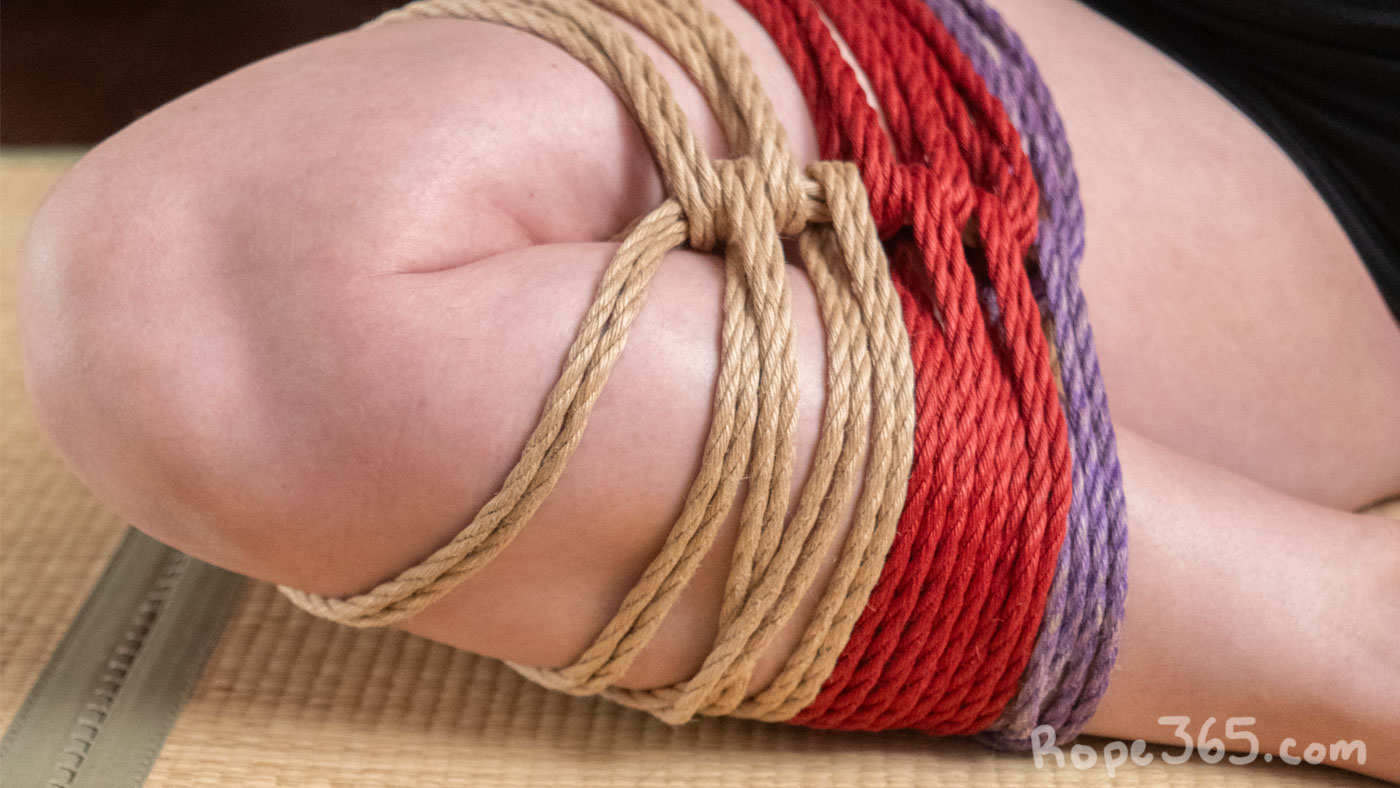
Sometimes we want to go quickly, fast to tie, but even more to release. Many techniques can be used to create ties that collapse with a simple release mechanism. This can be used in case of emergency, or as a surprise element during a tie.
The goal of this week is to experiment with different quick-release ties and find different applications for our rope sessions.
Activities
Day 204: More Quick Release Knots
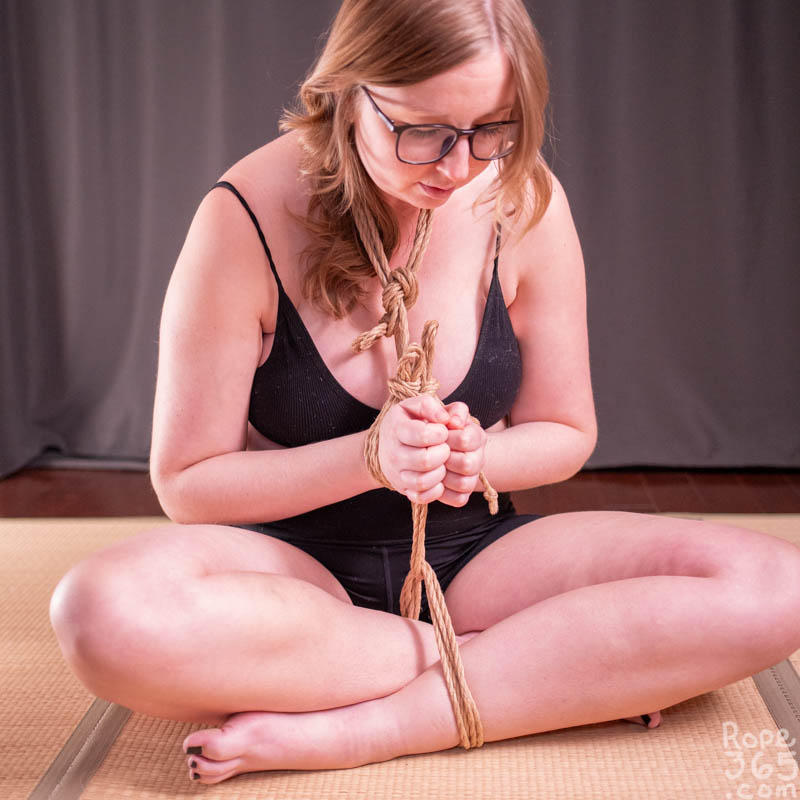
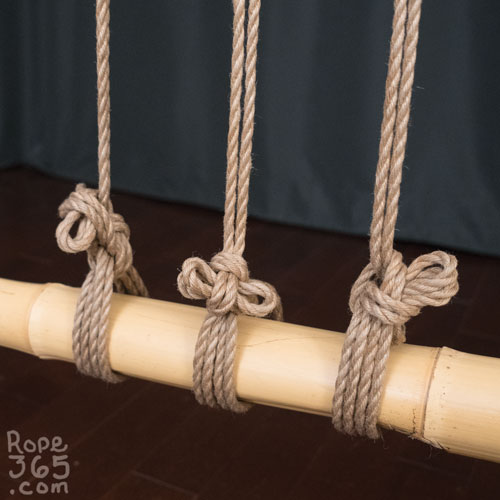
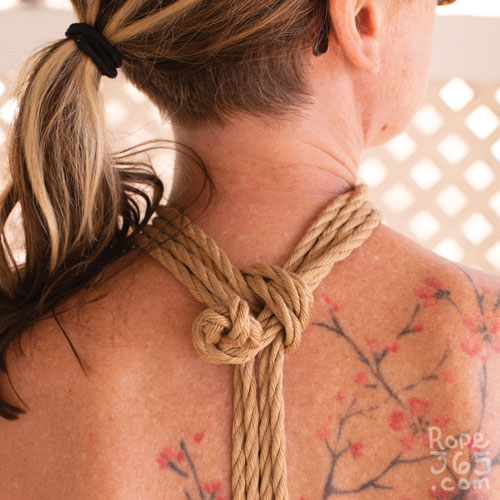
Many specialty knots can be used to tie and untie quickly. The most common in rope bondage is the captured slip-knot (often called Yuki knot). But there are more, such as the Farrimond hitch (both an adjustable hitch and a quick-release at the same time), or the tumble hitch that also uses up the excess rope at the same time. With practice, quick-release knots are usually fast to tie and allow for quick untying in case of emergency, as well as quick readjustments during a tie. Note that a quick-release knot can be less stable and may untie accidentally, so it should not be used for critical applications.
Day 205: Exploding Knots
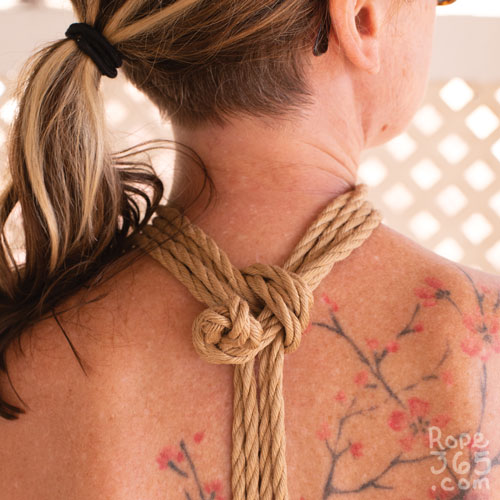
Sometimes we need more, not just a knot that will untie, but completely disappear, without leaving a tangle. This can be used for a high-risk application that may require an immediate release, or for a planned change during the session. For example, the Lapp knot will allow the rope to completely detach even if we continue tying with the end. Many other knots may be used for their explosive features.
Day 206: Slip Knots and Loops
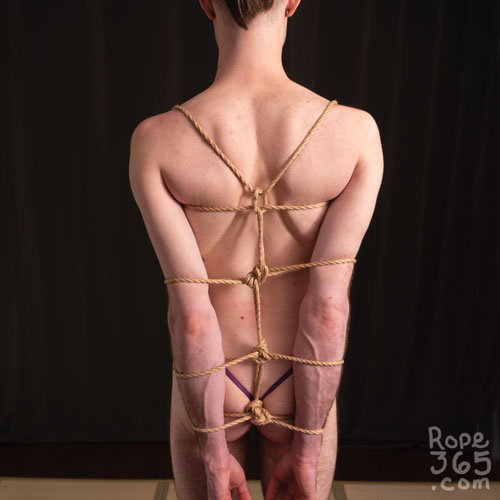
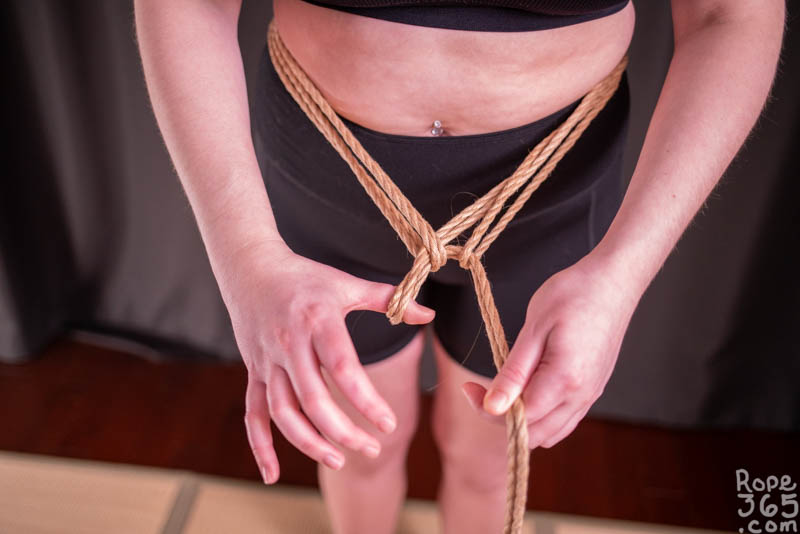
Slip knots are often considered unsafe as they tighten. But this can be a good thing when used around a column that doesn’t mind a tight cuff, or a tie that needs a precise adjustment, locking the slip knot afterward.
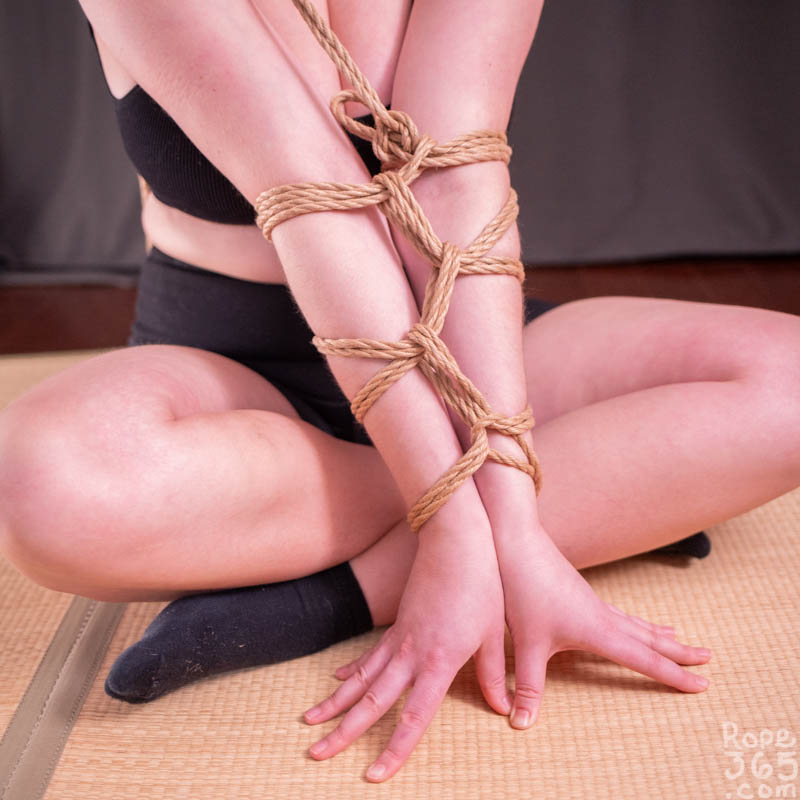
The handcuff knot is a popular type of slip knot to capture two limbs at once. It is usually considered inferior to other double columns because it has only one wrap and requires an extra lock to prevent cinching too far.
A popular tie that uses a slip knot is the dragonfly sleeve, which starts with a handcuff knot and then continues with midline slip knots, split on each arm. This is usually used with the arms in the back, but also works with the arms in front.
Slip knots are also a popular way to mark the middle of the rope when not used.
- Slipped Overhand Knot by Topologist
- Slip knot by Animated Knots
- Noose knot by Animated Knots
- Handcuff knot on animated knot
- The Problem With The ‘Handcuff Knot’ by Bondage Tuition
- Handcuff knot by perry_trees
- Dragonfly harness Rory’s Brainwork
- How to Tie a Dragonfly Armbinder by Twisted Monk
- Tutorial: Dragonfly Sleeve & Dragonfly Harness by LazarusRedmayne (the dutchy)
- The Dragonfly Sleeve by TKB
- Dragonfly Tie by Fetish Weekly
- The Bowtie Karada Tutorial by Rory’s Brainworks
- Handcuff knot by Wikipedia
- How To Tie A Double Sliding Loop Knot by WhyKnot
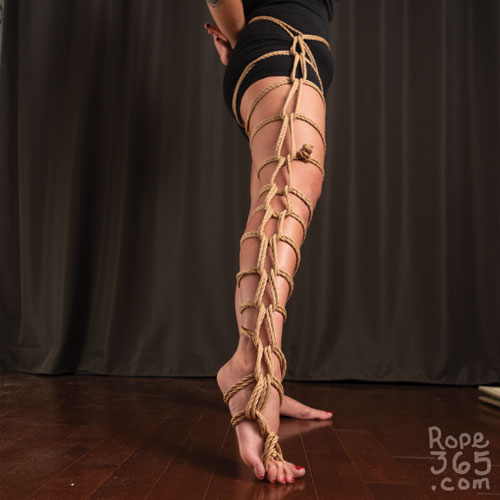
Day 207: Chain Stitch
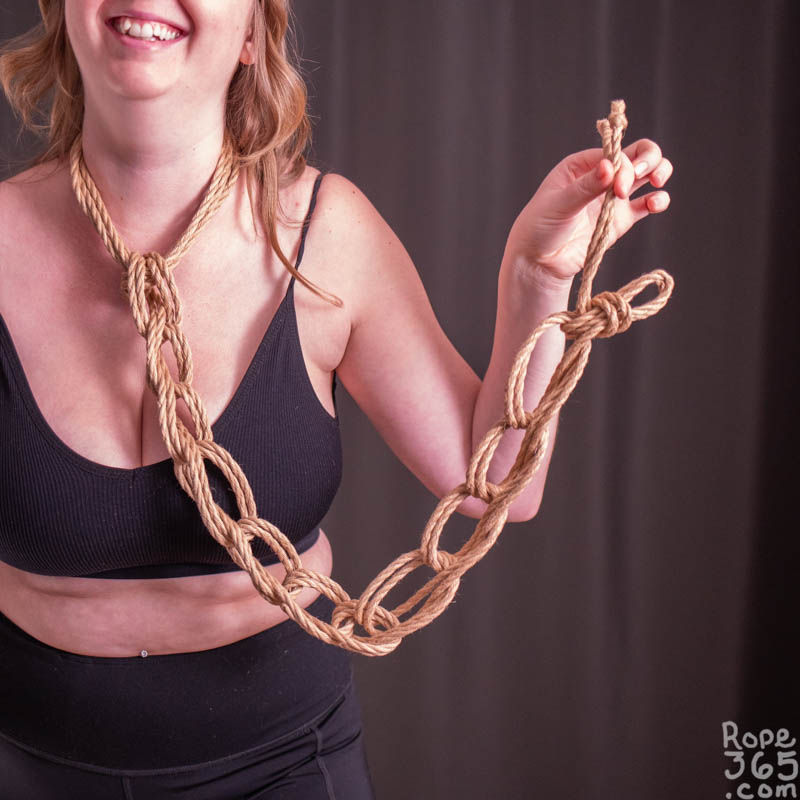
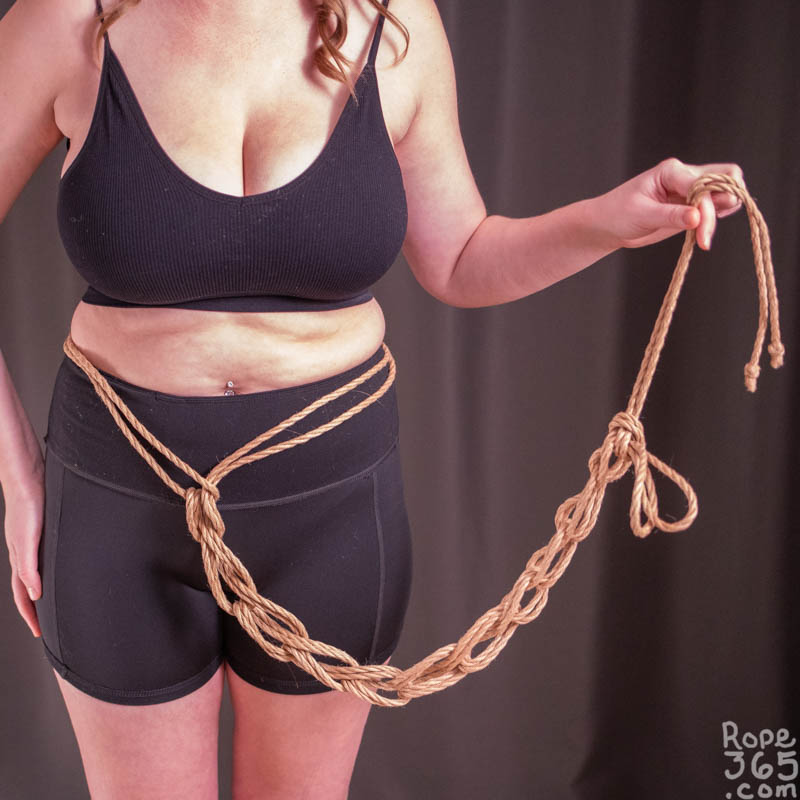
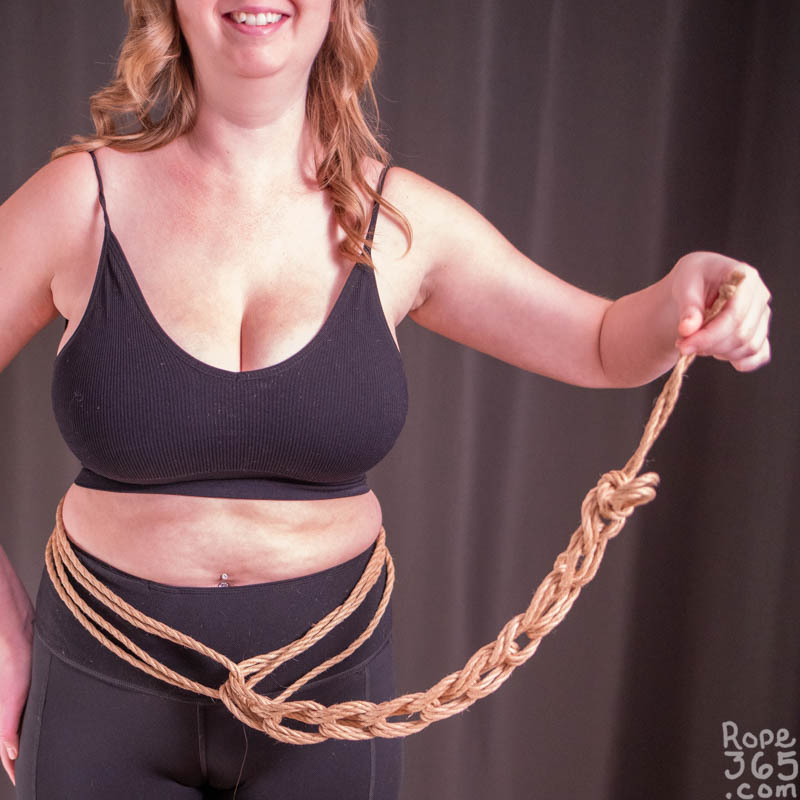
Alt slip stitch. In crochet, there are many uses of the principle of the chain stitch and slip stitch to create structure. We can use those techniques to create rope patterns. These can be very fast to tie and untie because there is no need to pull the whole rope through. Use this technique to wrap the body quickly.
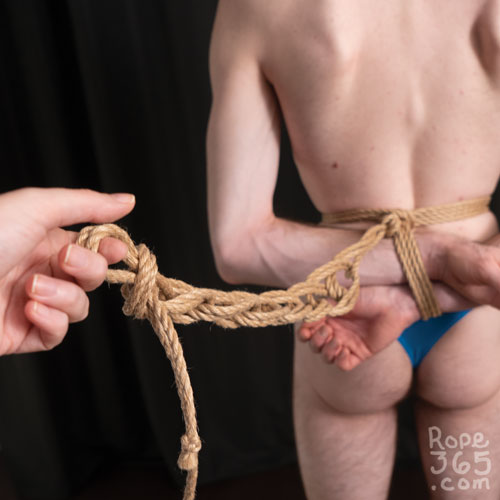
Day 208: Daisy Chains and Disappearing Ties
Alt chain sinnet. By pulling a small loop through a previous loop, you can create a tie that can instantly disapear by pulling on the tain. This can be a simple leach, but an also be built into more complex ties.
- Japanese Mistress Hibiki Shibari Kinbaku Montreal Fetish Weekend Latex Catsuite Rope Show
- IFA DisappearingTK by Innovative Fiber Arts
- Explosive Restraints by Innovative Fiber Arts
- Video by Kinoko Hajime
- Disappearing boxtie by Ben Hart
- The Handle and Leash Tutorials by Rory’s Brainworks
- Photo by FineArtOfBondage (Daisy chain leash)
- Video by Karolinda
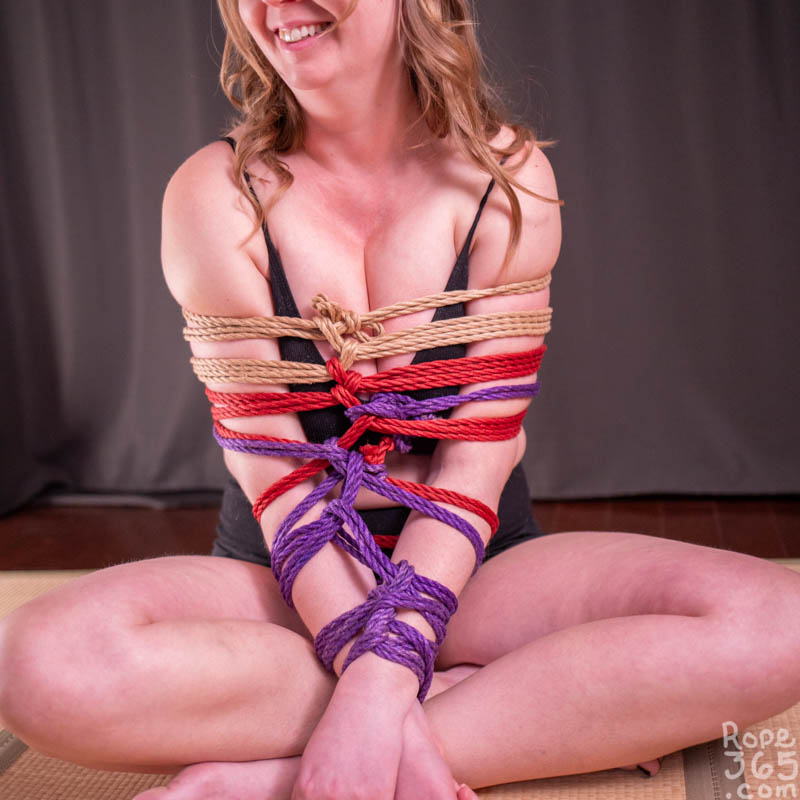
Day 209: Zipper Tie
The zipper tie is like a reverse daisy chain or a chain stitch that alternate direction to create a stem that can easily be untied. By pulling a loop through the previous wrap and using a detachable starting point, you can create a tie that unties like a zipper.
- Lightning harness by Midori
- The Chain Stitch Tutorial by Rory’s Brainworks
- Photo by WhiskyTangoFoxy 1 2
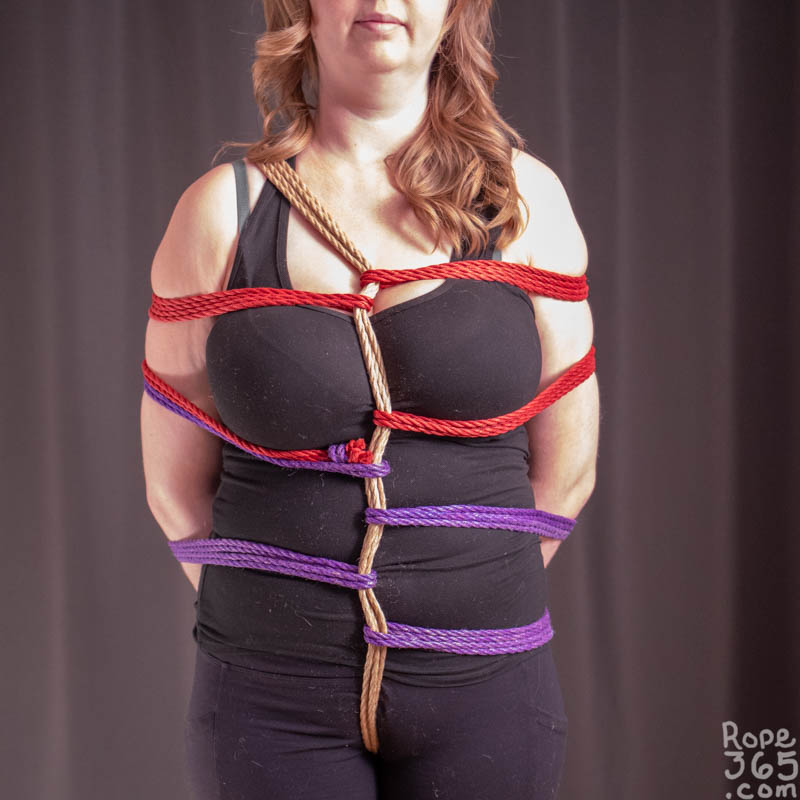
Day 210: Serpentine
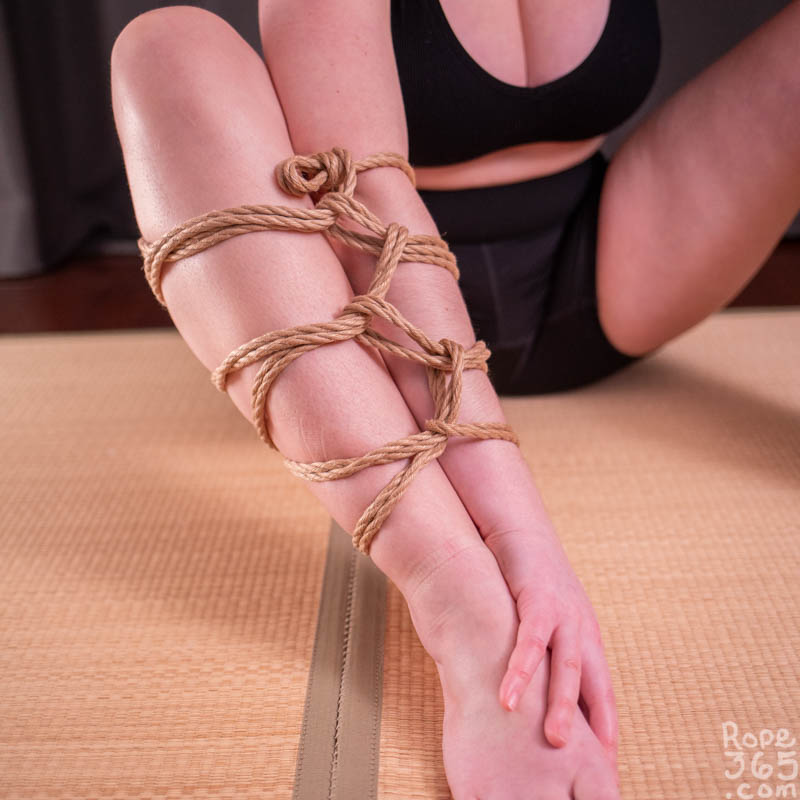
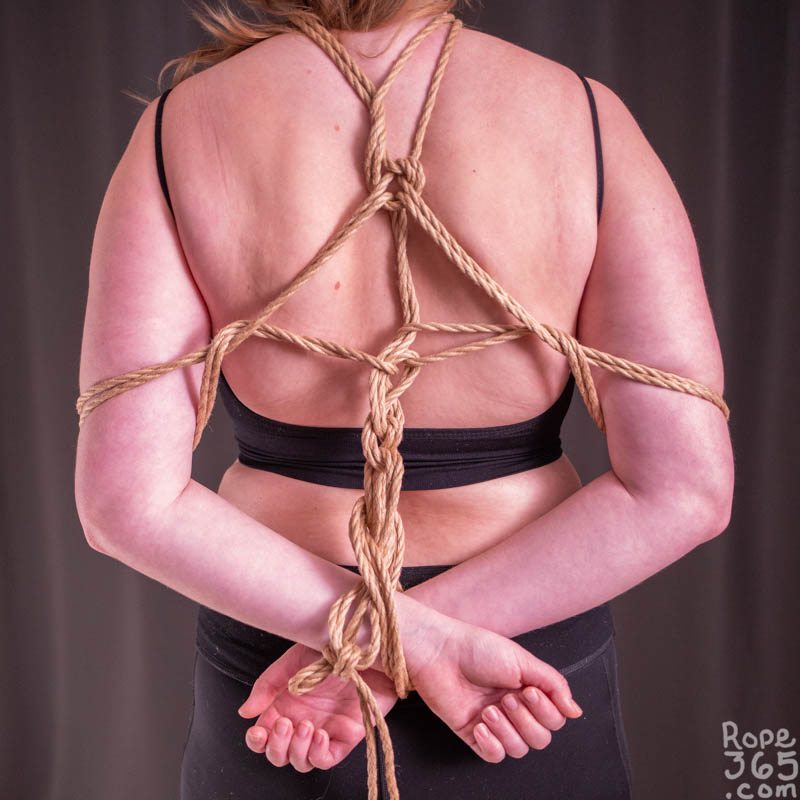
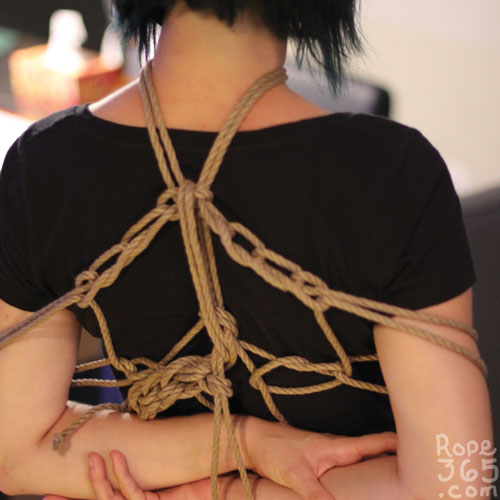
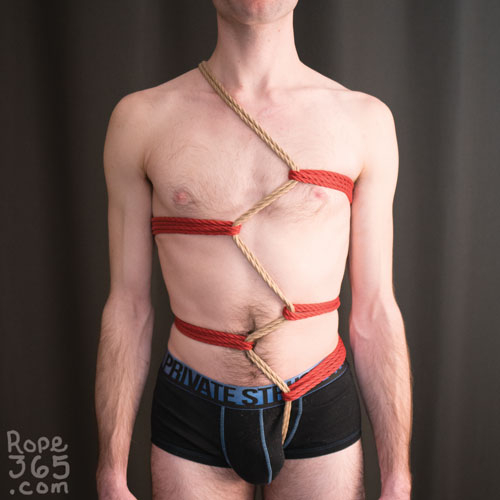
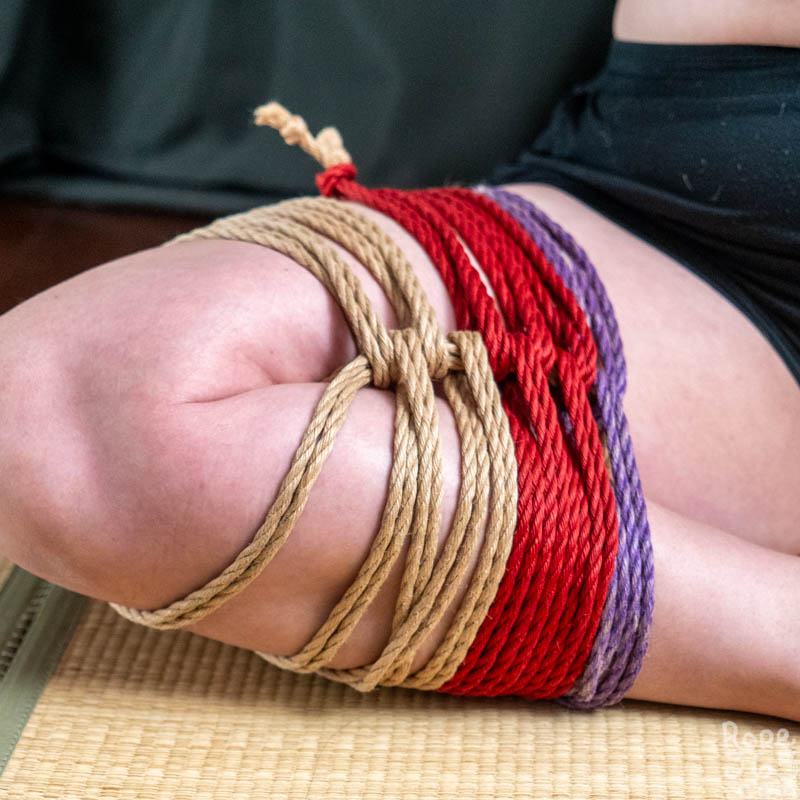
Alt kainokuchi 貝の口 (clam’s mouth), clam, zig zag – By creating a stem and changing direction on it, we can create a solid tie that will unravel by removing that stem.
- Chest Serpentine by Rope365
- 1人でできる足コルセット縛り【翼裕香編】
- Quick Release Shibari Tutorial by Rory’s Brainworks
- Untying the kainokuchi 貝の口 (clam’s mouth) by Nawashi Kanna Take 1 –Take 2
- 3 variations of rope mummification; the quick untying. 2021-2022 by NathanielFlumen
- Photo by natsuko
- Photo by Shay Tiziano (Serpentine mermaid)
- Photo by Chiaki (quick release TK)
- Video by sokhadiy168
- Video by instructor_bensei
Review
You can have a look at a few quick release concepts from previous Rope365 activities to review and complete your exploration:
Video References
We compiled a YouTube playlist with various videos on this topic; let us know if you find any others we should add to it. Note that video references may display risky or unstable techniques; viewer discretion is advised.
Gallery

Or return to Fall for more options.